Commercial Stucco Patching Best Practices
Spring and early fall are ideal due to moderate temperatures and lower humidity levels, promoting proper curing and adhesion.
Extreme cold, heat, or rainy conditions can hinder patching quality, leading to potential failures or the need for rework.
Temperatures between 50°F and 85°F support optimal curing times and reduce the risk of cracks or improper adhesion.
Ensuring dry, stable weather conditions prior to patching minimizes moisture-related issues and enhances durability.

Spring offers favorable conditions for effective patching, with moderate temperatures and lower humidity.
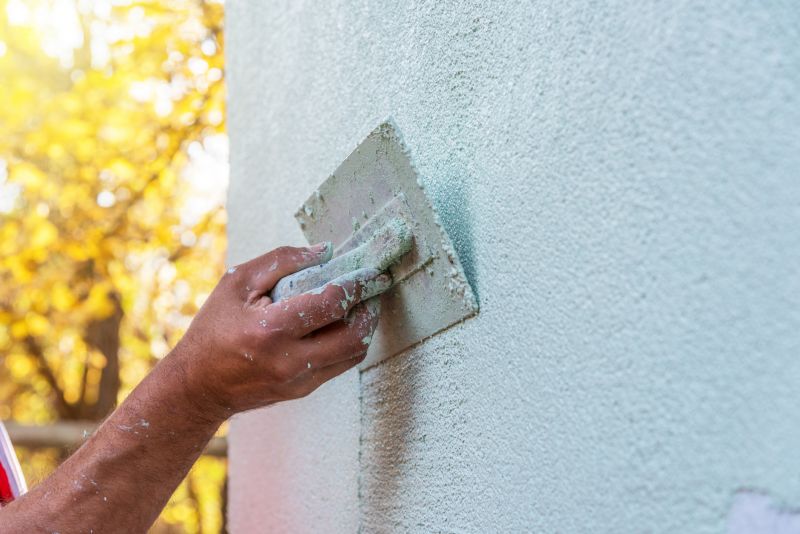
Early fall provides similar benefits, allowing repairs to set properly before winter.

Scheduling outside of extreme weather seasons ensures better adhesion and reduces the risk of repair failure.
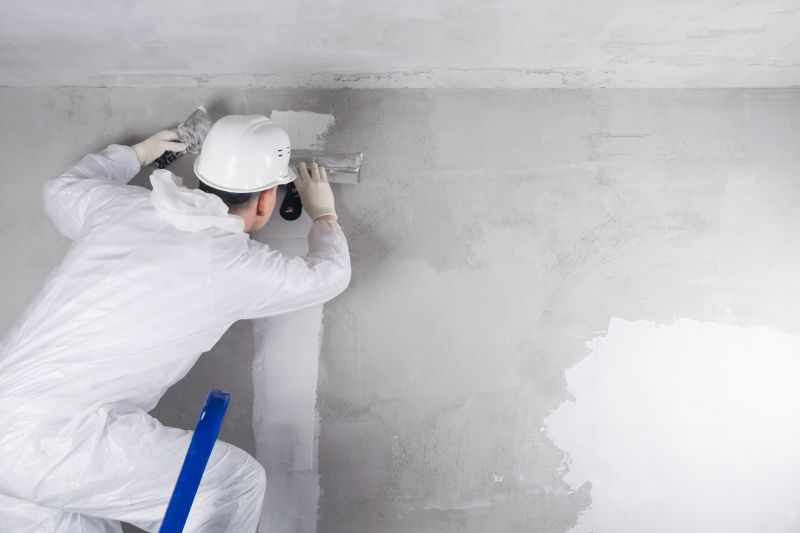
Ways to make Commercial Stucco Patchings work in tight or awkward layouts.
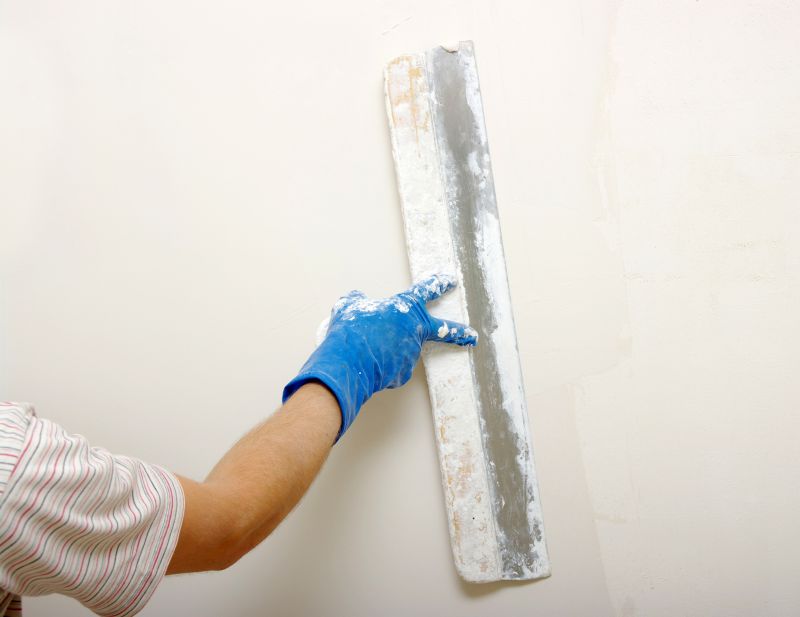
Popular materials for Commercial Stucco Patchings and why they hold up over time.
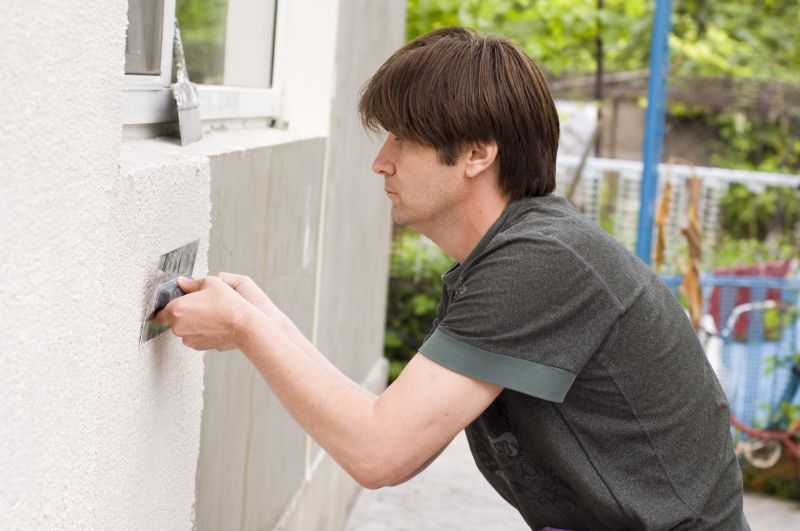
Simple add-ons that improve Commercial Stucco Patchings without blowing the budget.
| Season | Ideal Conditions |
|---|---|
| Spring | Moderate temperatures, low humidity, dry weather |
| Summer | High temperatures and humidity can hinder curing |
| Fall | Cooler temperatures, low humidity, dry conditions |
| Winter | Cold temperatures, moisture, and potential frost risk |
Commercial stucco patching involves repairing damaged or deteriorated sections of exterior stucco surfaces on commercial buildings. Proper timing ensures that patches adhere well, cure correctly, and maintain their appearance over time. Skilled application during optimal seasons reduces the likelihood of cracking, peeling, or other issues that can compromise the integrity of the repair.
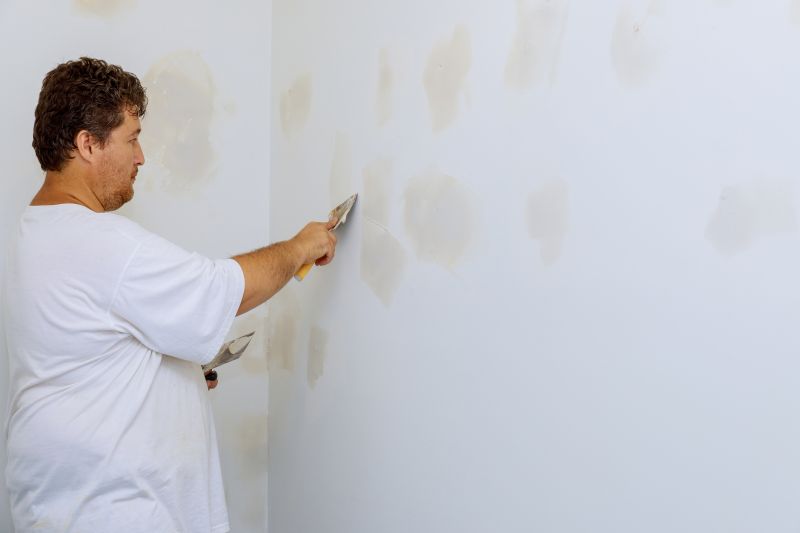
Dry weather ensures proper curing and adhesion of stucco patches.
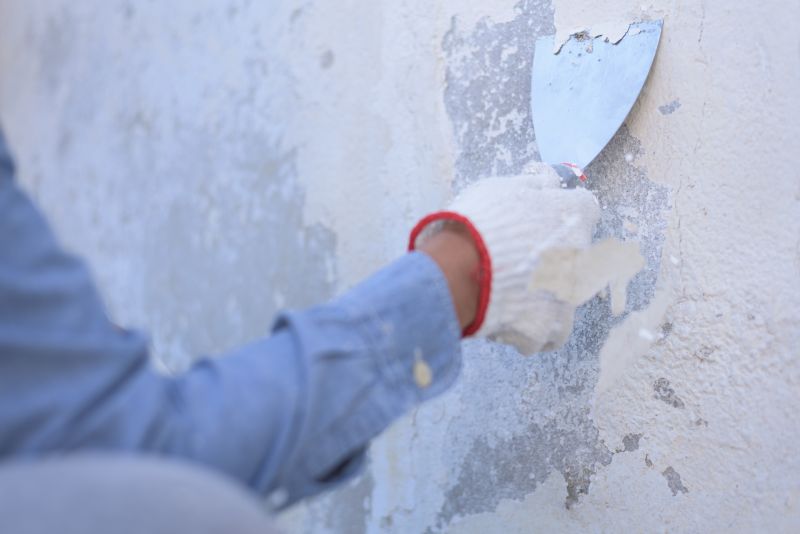
Maintaining suitable temperatures during application prevents cracks and failures.
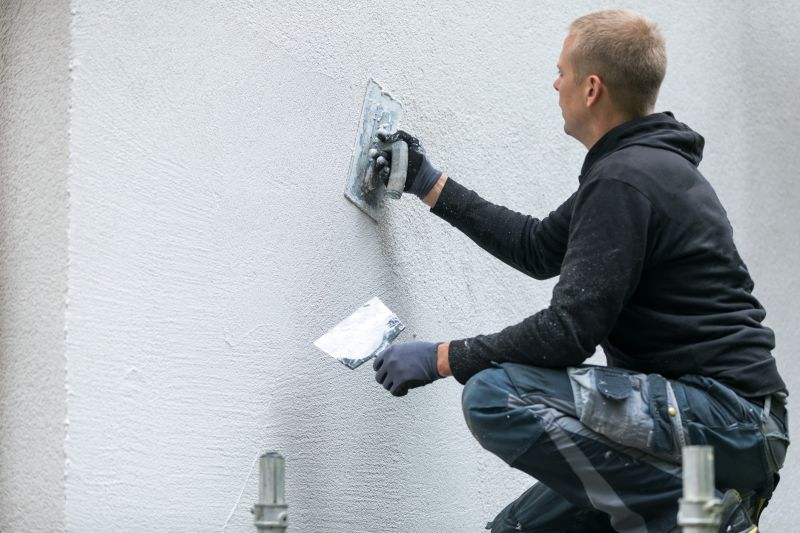
Spring and fall are preferred for their stable weather conditions.
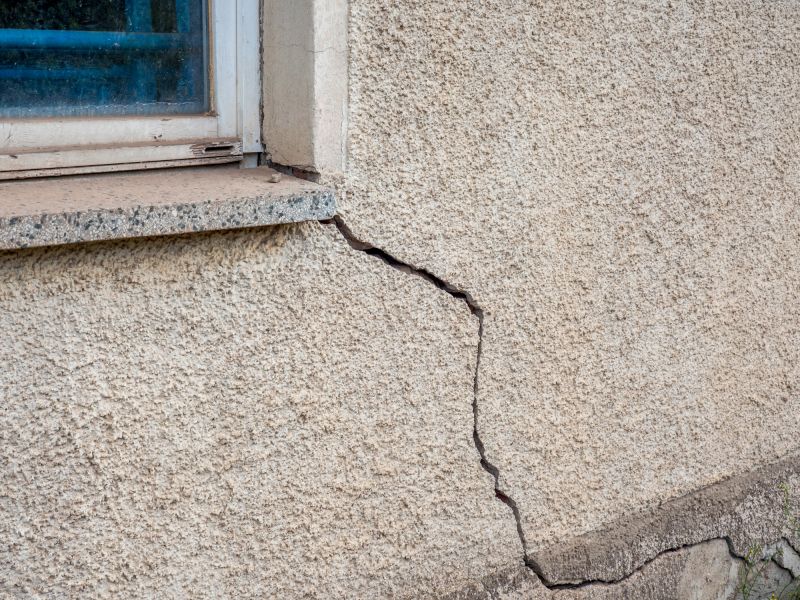
Scheduling repairs ahead of seasonal shifts minimizes weather-related disruptions.

High-end options that actually feel worth it for Commercial Stucco Patchings.

Finishes and colors that play nicely with Commercial Stucco Patchings.
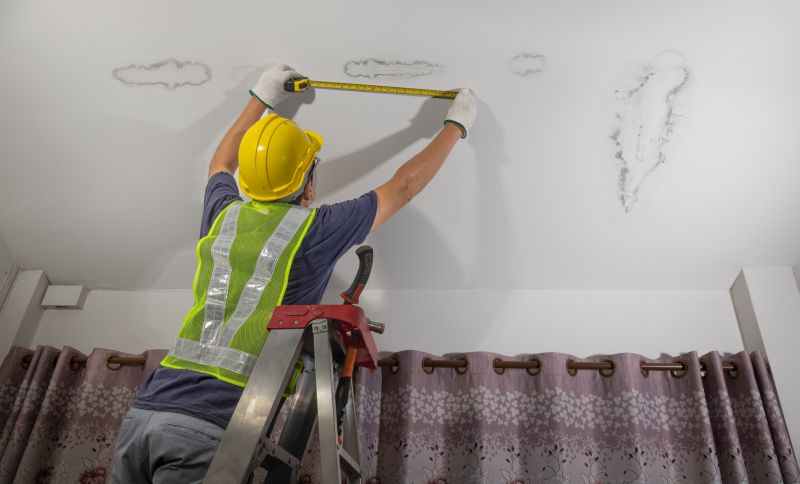
Little measurements that prevent headaches on Commercial Stucco Patchings day.
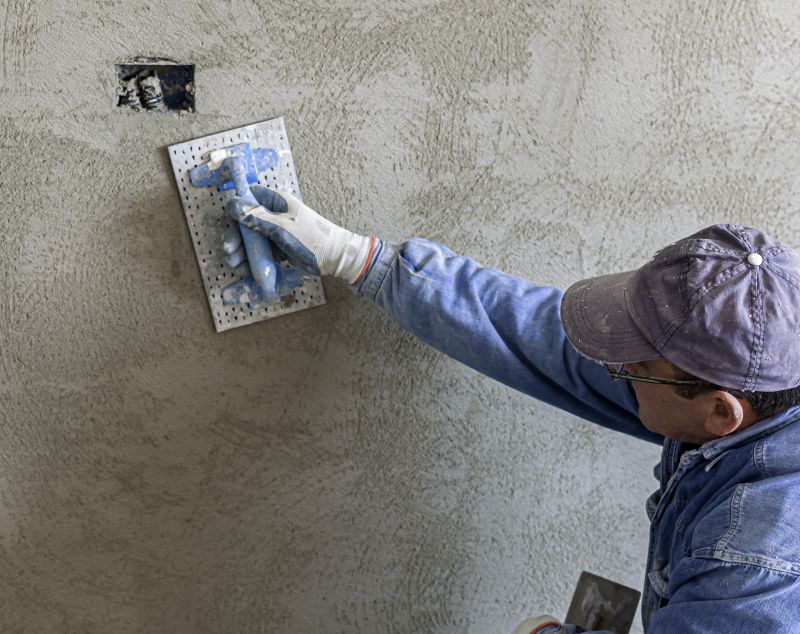
A 60-second routine that keeps Commercial Stucco Patchings looking new.
Choosing the right time for commercial stucco patchings can significantly influence the durability and appearance of repairs. Proper planning aligned with seasonal weather patterns ensures that patches set correctly and last longer, reducing the need for future repairs. Consulting with professionals can help determine the most suitable timing based on local climate conditions.
Interested in scheduling repairs? Fill out the contact form to discuss timing and options for your commercial property.