The Difference Between Traditional Stucco and Synthetic (EIFS)
People searching for the difference between traditional stucco and synthetic (EIFS) often want to choose the right finish; local service providers can help them compare options and handle installation.
If you’re exploring options for enhancing the exterior of a property, understanding the difference between traditional stucco and synthetic (EIFS) can be a valuable first step. Property owners in the area often consider these materials for their durability, appearance, and overall performance. Whether planning a new installation or contemplating repairs, knowing how each option compares can help make informed decisions that align with specific needs and preferences. Local contractors specializing in stucco installation can provide insights into the advantages and limitations of both materials, ensuring that property owners select the best solution for their project.
As you continue exploring, it’s helpful to recognize that traditional stucco and synthetic (EIFS) each offer unique benefits suited to different situations. Traditional stucco has a long-standing reputation for its durability and classic look, while synthetic (EIFS) is appreciated for its flexibility and insulation qualities. Connecting with experienced service providers can clarify which material aligns with goals like aesthetic appeal, energy efficiency, or maintenance requirements. This knowledge can support property owners in making choices that enhance the value and appearance of their property, backed by the expertise of local professionals skilled in stucco services.
- Traditional stucco installation - homeowners considering a classic exterior finish can rely on local contractors experienced in applying traditional stucco for durable, textured surfaces.
- Synthetic (EIFS) installation - property owners seeking a lightweight, energy-efficient exterior system often turn to service providers skilled in synthetic stucco applications.
- Traditional stucco repair - clients needing to restore or patch existing stucco surfaces can find local pros with expertise in matching textures and finishes.
- Synthetic (EIFS) repair - those with synthetic stucco systems requiring maintenance or damage repair can connect with specialists familiar with EIFS materials and techniques.
- Choosing between traditional and synthetic stucco - individuals weighing their options can consult local contractors to understand the installation methods and benefits of each type.

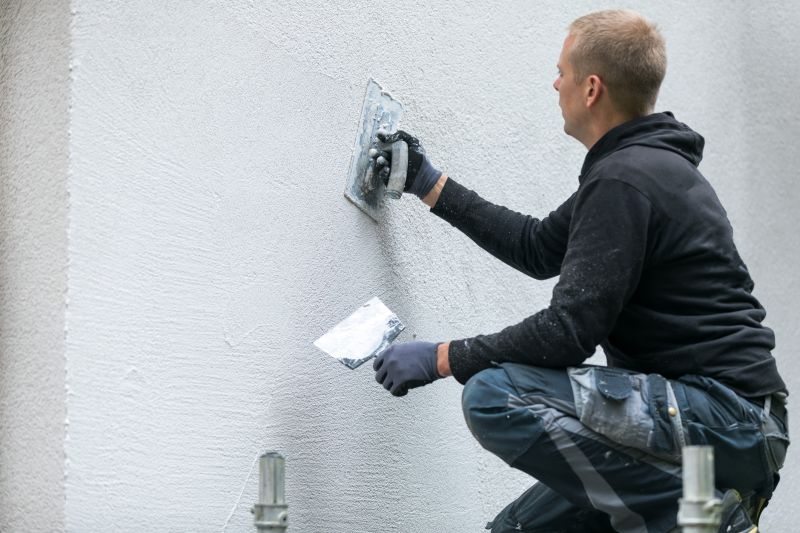
Understanding the difference between traditional stucco and synthetic (EIFS) is essential for homeowners planning exterior renovations or new construction projects. When searching this topic, many people are looking to compare the materials in terms of appearance, durability, and suitability for their property. This comparison often arises during discussions about upgrading or repairing existing exteriors, especially when considering long-term performance and maintenance needs. Homeowners might also be exploring options for properties that are exposed to varying weather conditions or seeking a specific aesthetic, making it important to understand how each system performs in real-world scenarios.
The choice between traditional stucco and synthetic (EIFS) relates closely to the kinds of problems or plans homeowners have for their properties. For example, traditional stucco is known for its classic, textured look and has been used for decades on residential and commercial buildings. It’s generally favored for its breathability and ability to withstand the elements when properly maintained. Conversely, synthetic EIFS is often selected for its versatility in creating smooth, seamless surfaces and its superior insulation properties. Homeowners considering energy efficiency upgrades or needing a more flexible finish may lean toward EIFS, while those prioritizing a traditional appearance or easier repairs might prefer stucco. Understanding these differences helps in planning the right approach for exterior projects, whether it’s repair, replacement, or new installation.
Properties that typically come into focus when comparing these systems include a wide range of residential homes, multi-family complexes, and commercial buildings. Single-family houses often feature traditional stucco for its historic appeal and durability, especially in regions with dry or moderate climates. In contrast, multi-story apartment buildings or commercial properties might opt for synthetic EIFS due to its ability to provide a continuous, insulated surface that can enhance energy savings and aesthetic flexibility. Both systems are suitable for different architectural styles and environmental conditions, which is why consulting with local service providers familiar with these materials is a key step. These contractors can evaluate the specific needs of each property and recommend the most appropriate stucco type based on location, design goals, and performance expectations.
For homeowners considering a stucco or EIFS project, understanding the nuances of each material helps in making an informed decision. Local contractors experienced in installing both traditional stucco and synthetic EIFS can evaluate existing exteriors, identify potential issues such as cracking or moisture intrusion, and recommend the best solution. They bring practical knowledge about how each system responds to local weather patterns and building codes, ensuring the chosen material will perform well over time. Whether the goal is to restore a historic appearance, improve insulation, or achieve a modern, sleek finish, these service providers are equipped to handle the installation and repair needs. Connecting with experienced local pros ensures that the project aligns with the property’s specific requirements and aesthetic preferences, leading to a more successful and lasting exterior upgrade.
Commercial building cladding - installing exterior wall systems on commercial structures often involves skills similar to traditional and synthetic stucco applications, requiring knowledge of different finishes and materials.
Exterior insulation projects - applying exterior insulation and finish systems (EIFS) or traditional stucco on commercial or residential buildings involves planning and surface preparation comparable to stucco installation services.
Architectural veneer applications - creating decorative or textured facades with specialized finishes shares techniques with synthetic stucco and traditional stucco installation processes.
Resurfacing and repair work - repairing or restoring existing stucco or synthetic coatings involves surface preparation and finishing skills similar to initial installation services.
Fire-resistant wall systems - installing fire-rated exterior wall finishes often requires understanding of different stucco types and their application methods.
High-performance exterior coatings - applying durable, weather-resistant coatings on building exteriors involves planning and surface prep skills aligned with stucco and EIFS installation services.
When evaluating contractors for traditional or synthetic stucco installation, experience with similar projects can be a valuable indicator of their capability. Homeowners should inquire about the types of stucco work the service providers have completed in the past, paying close attention to projects involving either traditional stucco or synthetic (EIFS). A contractor with a proven track record in handling the specific type of stucco desired can better anticipate potential challenges and deliver results that meet expectations. Additionally, reputable references from previous clients who have had comparable work done can offer insights into the contractor’s reliability, craftsmanship, and ability to manage projects similar to the homeowner’s needs.
Clear written expectations are essential when comparing local contractors for stucco installation. Homeowners should seek detailed proposals that outline the scope of work, materials to be used, and the projected process for both traditional and synthetic stucco. Having these details in writing helps prevent misunderstandings and ensures that everyone is aligned on project goals. Contractors who can communicate their approach transparently and provide comprehensive estimates demonstrate professionalism and a commitment to clarity, making it easier for homeowners to make informed decisions about which service provider is best suited for their project.
Good communication and reputable references go hand-in-hand when choosing a local contractor for stucco work. A service provider who maintains open lines of communication can address questions promptly and provide updates throughout the project, fostering trust and confidence. Furthermore, references from previous clients can validate the contractor’s ability to complete projects successfully, adhere to timelines, and meet expectations. When comparing potential contractors, homeowners should prioritize those who can offer clear, consistent communication and positive references, as these qualities often correlate with a smoother installation process and a final result that aligns with the homeowner’s vision.
Get a Quote for Traditional Or Synthetic Stucco Installation
Property owners often search for the difference between traditional stucco and synthetic (EIFS) when they are planning practical projects around their homes and businesses. Local pros provide Traditional or Synthetic Stucco Installation services for everyday jobs and straightforward project options.
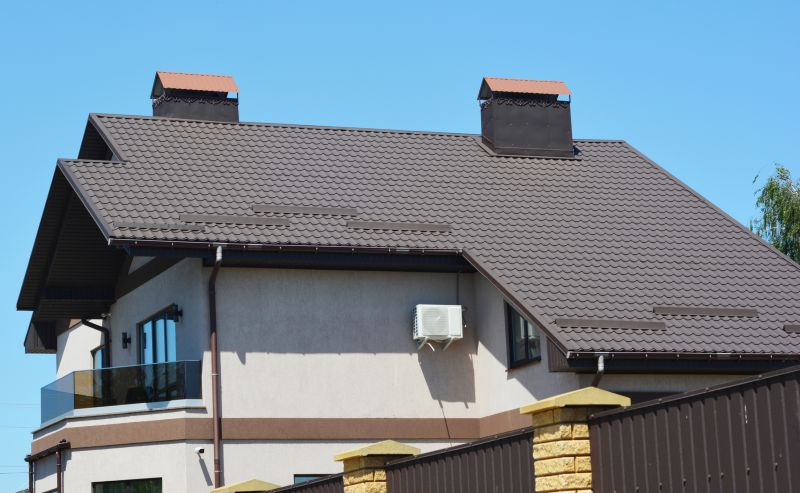

Understanding the difference between traditional stucco and synthetic (EIFS) can help property owners make informed decisions when considering exterior wall finishes. Traditional stucco is a centuries-old material composed of cement, sand, and water, applied in multiple coats to create a durable, textured surface. It is known for its long-lasting nature and classic appearance, making it a popular choice for homes and buildings that aim for a timeless look. On the other hand, synthetic (EIFS) is a modern alternative that involves a layered system of insulation, a base coat, and a textured finish, offering a more flexible and lightweight option. Property owners often look into these options to determine which material best suits their aesthetic preferences, maintenance needs, or energy efficiency goals.
Local contractors who specialize in stucco installation can provide insight into the advantages and challenges of each material. For example, traditional stucco might require more careful application and periodic maintenance but offers a proven, sturdy surface. Synthetic (EIFS) can provide better insulation and a smoother appearance, which may appeal to those seeking a more modern look or improved energy performance. Property owners researching these options often want to understand which material will hold up best in their specific climate or match the style of their property. Connecting with experienced service providers can help clarify these differences and ensure the right choice is made for the project.
Get a Quote for Traditional Or Synthetic Stucco Installation
What is the main difference between traditional stucco and synthetic (EIFS)? Traditional stucco is a cement-based material applied in multiple coats, offering a durable, textured finish. Synthetic (EIFS) is an insulated system with a polymer-based exterior, providing a smoother appearance and better insulation properties. Local contractors can help determine which option suits specific building needs.
How does the installation process differ between traditional stucco and synthetic (EIFS)? Traditional stucco involves applying multiple layers directly onto a lath or substrate, while synthetic (EIFS) involves installing insulation boards, a base coat, and a finishing layer. Local service providers can guide through the installation steps for each system.
Which system offers better flexibility in design and appearance? Synthetic (EIFS) generally allows for more design flexibility, including various textures and finishes, compared to traditional stucco’s more uniform, textured look. Local pros can help customize the exterior finish to match aesthetic preferences.
Are there differences in durability between traditional stucco and synthetic (EIFS)? Traditional stucco is known for its long-lasting durability when properly maintained, while synthetic (EIFS) offers good durability but may require more frequent inspections for cracks or damage. Local contractors can advise on maintenance needs for each system.
Can local pros handle both traditional stucco and synthetic (EIFS) installations? Yes, many local service providers are experienced in installing both traditional stucco and synthetic (EIFS), allowing homeowners to choose the best option based on their project requirements and preferences.
Understanding material differences - Property owners can explore how traditional stucco and synthetic (EIFS) differ in appearance and texture to choose the best option for their home's exterior.
Assessing durability needs - Local contractors can advise on which type of stucco offers better resistance to weather conditions specific to the area.
Considering insulation benefits - Homeowners interested in energy efficiency might evaluate how synthetic (EIFS) provides added insulation compared to traditional stucco.
Matching style with project goals - Property owners can work with service providers to select the stucco type that aligns with their aesthetic preferences and renovation plans.
If you are thinking about the difference between traditional stucco and synthetic (EIFS) for a property, this guide is meant to help you understand this topic, the typical project types, and how different options might fit your plans.
When you are ready, you can use the quote form on this page to share a few details about your project. From there, local pros can review the basics and follow up with options that match what you have in mind.
Get a Quote for Traditional Or Synthetic Stucco Installation